Understanding Jueteng: A Traditional Numbers Game
Jueteng is more than just a numbers game; it is a cultural phenomenon deeply ingrained in Filipino society. Originating from the Philippines during the Spanish colonial period, this game of chance has persisted through generations, offering insights into the socio-economic landscape of the country. Historically, Jueteng has been a household name, operating outside the formal legal frameworks yet maintaining a strong grip on its participants.
The Mechanics of Jueteng
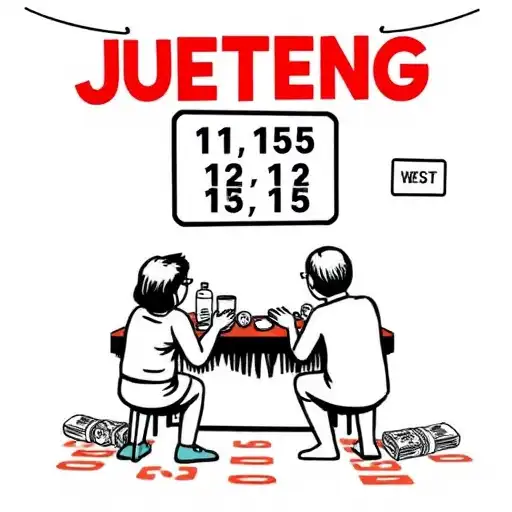
At its core, Jueteng is a simple betting game often played from small communities to urban settings. It involves choosing numbers from a set range, typically between 1 and 37. Participants place bets on their selected numbers, hoping that their choice will be drawn through a simple process involving two containers filled with numbered balls. Successful bets yield significant returns, making it an attractive option for those engaged in the quotidian struggle for financial stability.
Jueteng in the Digital Age
With the advent of digital technology, traditional games like Jueteng are experiencing a transformation. Online platforms offering gambling and betting are proliferating, introducing new layers to this staple of Filipino gambling culture. Websites with offers like NA55: Cadastre-se e Ganhe Bônus em Cada Recarga highlight the shift towards digital engagement, where players can register and enjoy bonuses with every recharge.
The digital adaptation of Jueteng and similar games raises questions about accessibility and regulation. Where Jueteng traditionally relied on local community networks and physical interaction, online platforms transcend geographical barriers, reaching a wider audience and stirring debates about legality and its socio-economic impacts.
Legal Implications and Challenges
The legality of Jueteng has been a contentious issue in the Philippines. Despite numerous government crackdowns and its official status as illegal gambling, enforcement remains weak. This illegality pushes it into the shadows, complicating efforts to study its impact comprehensively or to reform its framework within a legal context.
Online betting platforms, including those with enticing offers like NA55: Cadastre-se e Ganhe Bônus em Cada Recarga, introduce a new challenge to regulatory bodies. The question arises: how can traditional gambling games be regulated in the borderless digital world? The need for coherent policies that address both the roots of gambling in local culture and the dynamic nature of digital platforms is critical.
Cultural Significance and Community Impact
Despite its complex legal standing, Jueteng holds significant cultural value, often reflecting the economic desperation facing many Filipinos. It is seen as a way to momentarily alleviate financial strain, providing participants with a glimmer of hope amidst hardships. This cultural entrenchment makes it a persistent force, influencing community dynamics and fostering a sense of shared activity and pursuit among its players.
The rise of online gambling platforms adds a new dimension to these traditional practices, potentially reshaping cultural experiences. While offers such as NA55: Cadastre-se e Ganhe Bônus em Cada Recarga speak to modernization and technological adoption, they also risk alienating those accustomed to the communal aspects of traditional betting.
Economic Perspectives
Economically, Jueteng and its digital counterparts represent a significant source of informal income generation. The cash flow from these activities, although outside formal economic records, provides livelihoods for many involved as bet collectors, coordinators, and even community benefactors. The digital shift, marked by platforms advertising as NA55: Cadastre-se e Ganhe Bônus em Cada Recarga, could potentially centralize this economic activity, affecting local economies.
Regulation could pave the way for formalizing these economic activities, potentially transforming Jueteng from a grey market operation into a recognized industry. However, this requires balanced policymaking that considers the cultural significance of Jueteng and the economic realities of its participants.
The Path Forward
The future of Jueteng and its digital evolutions presents a complex tapestry of cultural, economic, and legal elements. Whether through traditional means or online platforms with compelling offers like NA55: Cadastre-se e Ganhe Bônus em Cada Recarga, the game reflects a deep and persistent part of Filipino life. As technology continues to evolve, there is a pressing need for collaborative approaches that respect cultural traditions while incorporating necessary regulations that ensure economic and social justice.
In conclusion, Jueteng serves as a microcosm of broader societal trends, illustrating the interplay between culture, economy, and law. The challenge lies in navigating these intersections to design frameworks that not only safeguard the interests of stakeholders but also preserve the rich cultural heritage integral to its practice.